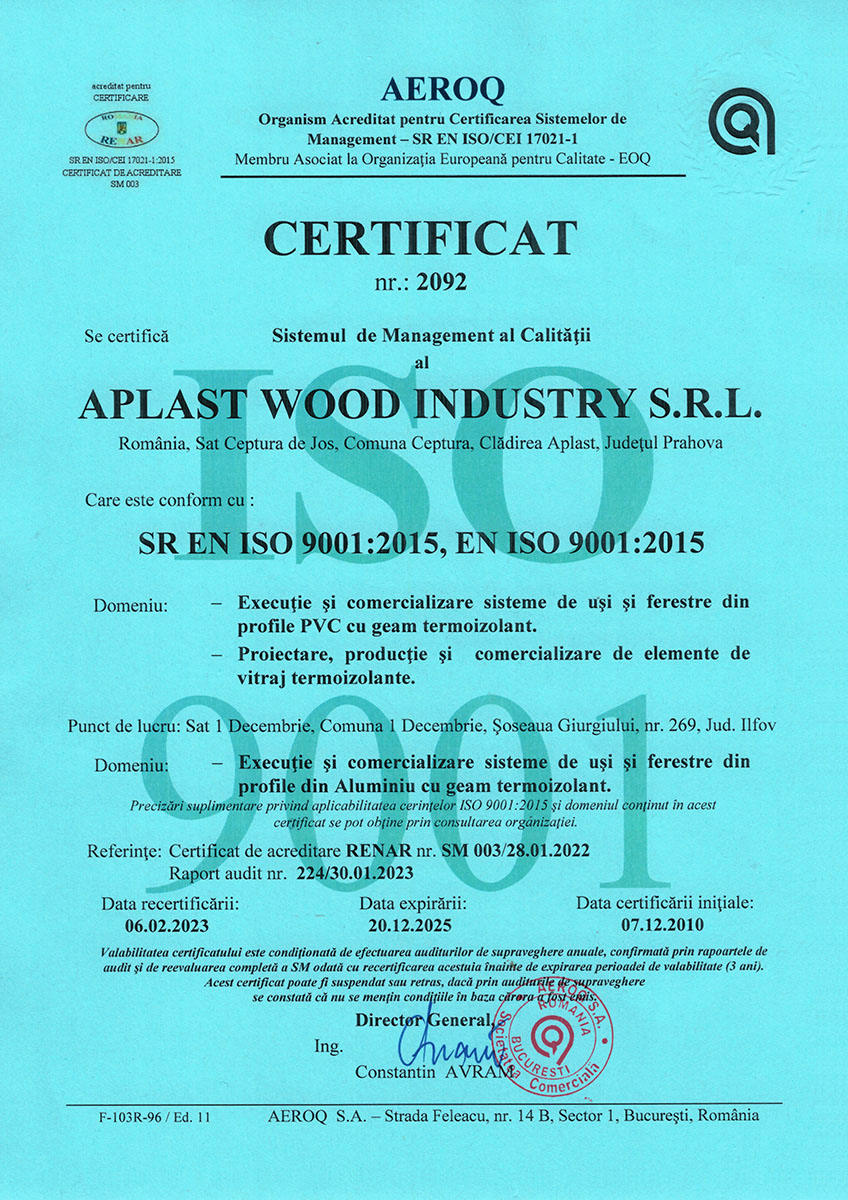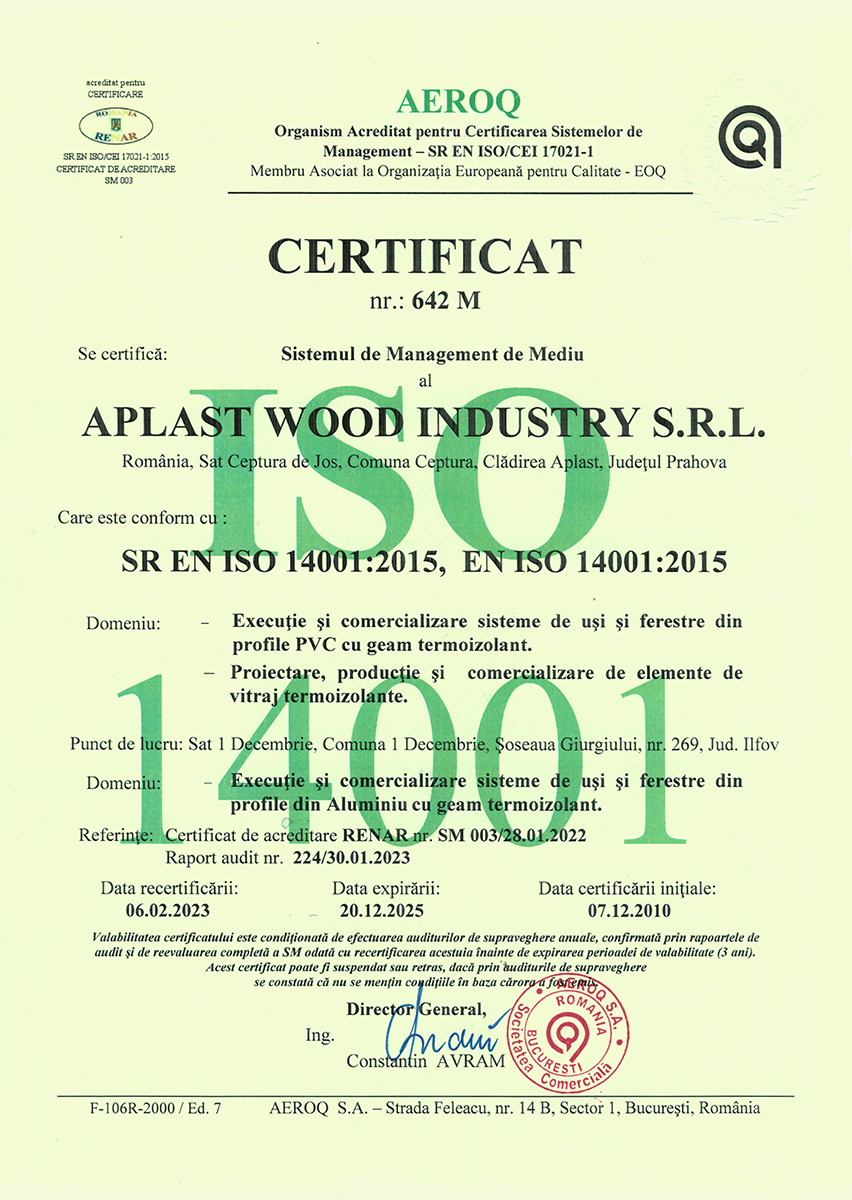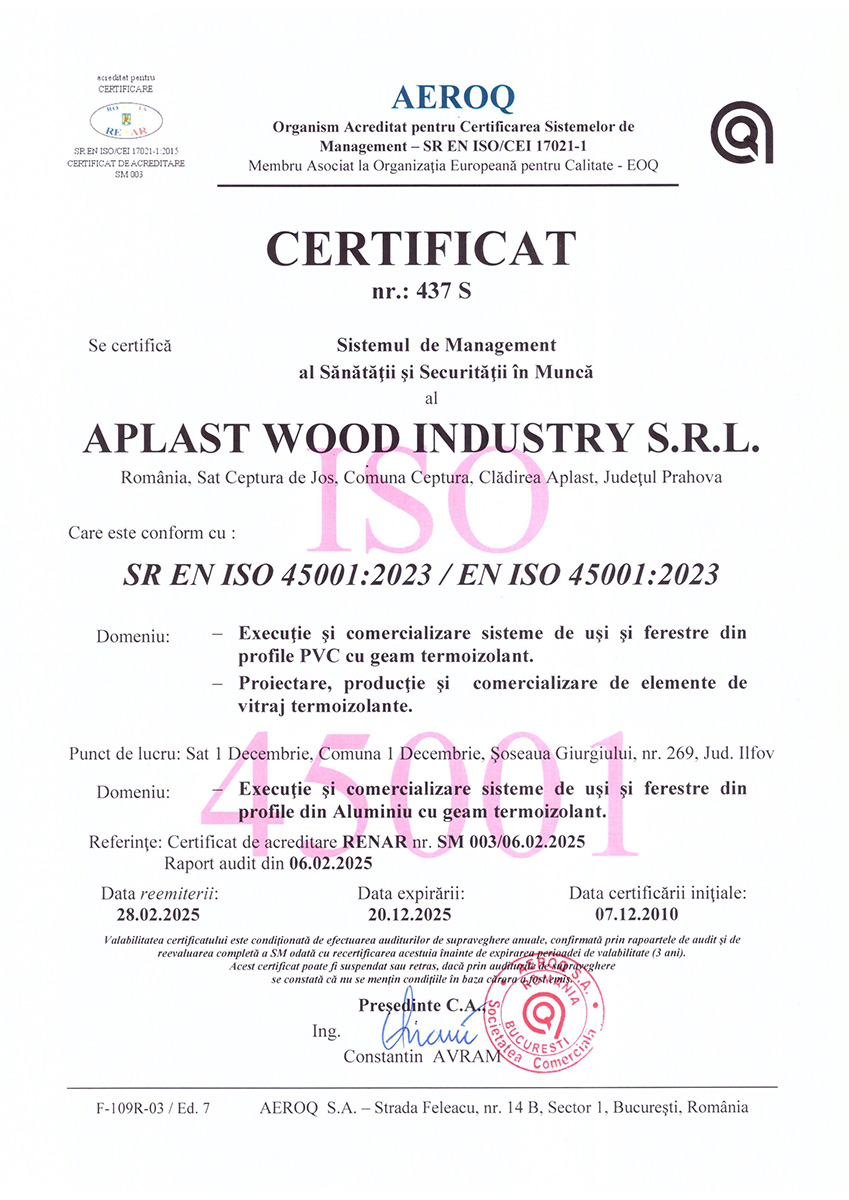
Aplast PVC Windows and Double Glazing offer complete protection against cold, noise, and dust, adapting perfectly to any type of residence or commercial building. With over 25 years of experience in uPVC joinery manufacturing, Aplast delivers durable solutions that combine superior technical performance with modern design.
Whether you are renovating your apartment, building a new house, or seeking solutions for a commercial project, Aplast PVC Windows represent the smart investment in comfort, economy, and durability.
Discover our complete range and request a personalized quote today!
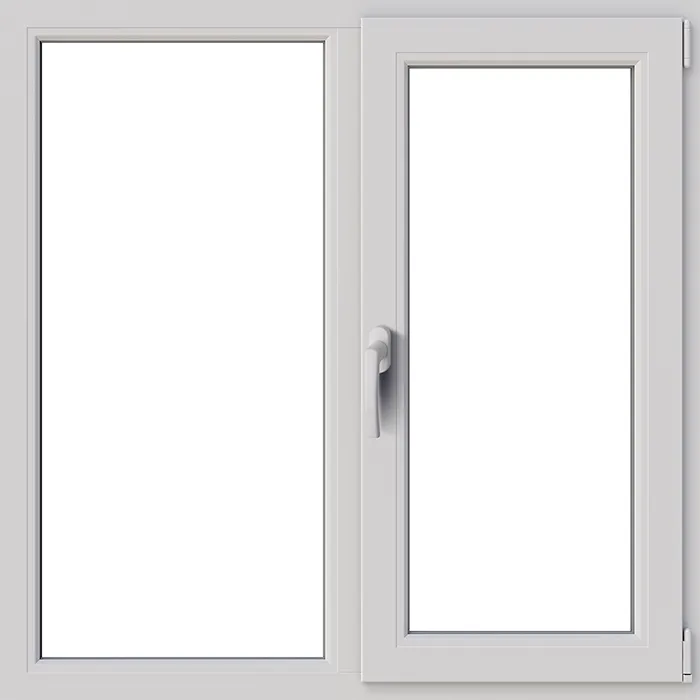
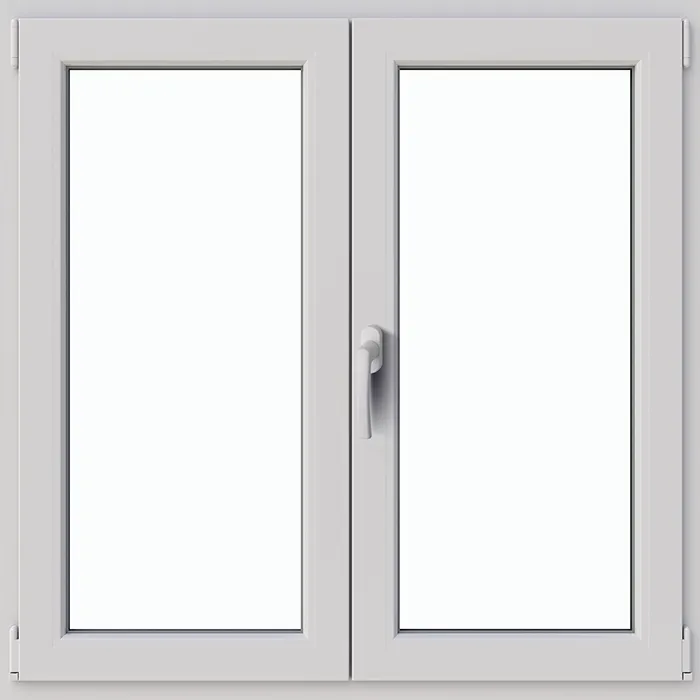
The primary difference lies in the number of glass panes: double glazing uses two panes, while triple glazing uses three. However, beyond this simple distinction, their performance levels differ significantly.
Performance:
Triple glazing offers superior thermal and sound insulation, being up to 50% more energy-efficient than double glazing and approximately 20 – 30% more effective at noise reduction. This makes it ideal for Passive Houses or noisy urban areas, whereas double glazing remains an excellent, cost-optimized solution for annexes or standard renovations.
Weight & Structure:
A crucial factor to consider is weight. One square meter of double glazing weighs approximately 20 kg, while triple glazing reaches about 30 kg. Due to this extra weight, triple-glazed units must be installed exclusively on premium PVC profiles with 5, 6, or 7 chambers. A robust profile and high-quality hardware are vital to support the glass unit’s weight, ensuring the window functions correctly over the long term without warping or needing frequent adjustments.
Choosing energy-efficient PVC windows is essential for maintaining a consistent indoor temperature and lowering utility bills. To identify the right window for your project, you must pay close attention to performance ratings, specifically the Uw index (U-window).
What it measures: The Uw value measures the heat transfer rate through the entire window (calculated as an average of the profile and glass unit performance). It is measured in W/m2K (Watts per square meter Kelvin). The lower the Uw value, the more efficient the window and the lower the heat loss.
The Technology: High thermal performance is achieved through a combination of components:
Benchmarks: A window with Uw = 1.3 W/m2K is considered a standard solution. As this index drops toward 0.8 or even 0.6, we enter the territory of energy-efficient homes and Passive Houses.
Aplast Solutions: Our portfolio covers the full spectrum, from the balanced Aplast 60 and 70 series to top-tier products like Veka Softline 82 (Uw = 0.67 W/m2K) and Deceuninck 76 (Uw = 0.62 W/m2K), capable of reducing heating costs by up to 70% compared to standard windows.
Condensation is more than an aesthetic nuisance; it is a warning sign regarding air quality and the thermal balance of your home. Water droplets on the glass or profile surface can lead to severe issues: water runoff on walls, damaged finishes, and, most critically, the growth of mold and dampness. These not only affect the building’s structure but also pose a health risk, triggering respiratory issues and allergies.
Causes of Condensation: It occurs when cold surfaces come into contact with humid indoor air.
Technical Causes:
Poor thermal insulation (old or low-quality windows) or improper installation that creates thermal bridges (areas where heat escapes faster, letting cold air penetrate the profile).
Environmental Causes:
High indoor humidity from daily activities (cooking, showering, drying clothes) combined with poor ventilation. Also, thick curtains, objects on the windowsill, or a high number of plants can block the airflow from radiators to the window, keeping the glass surface cold.
Aplast Recommendations:
The security of a window isn’t determined by a single part, but by an integrated system combining material strength, locking technology, and, crucially, the quality of the installation. At Aplast, we approach security through three fundamental pillars:
Class A Profile (Structural Rigidity):
Using Class A profiles with 3 mm exterior walls isn’t just about durability; it’s about active safety. This superior thickness provides increased rigidity and mechanical resistance against prying or twisting, making the profile much harder to dislodge.
Multi-point Locking Systems:
A secure window doesn’t just lock in one place. Our hardware systems utilize multi-point locking, anchoring the sash to the frame at several perimeter points. These additional layers of protection make lifting or forcing the sash with burglary tools extremely difficult.
Professional Installation – The Decisive Factor:
Even the best window can lose its security features if installed incorrectly. An Aplast professional understands the critical importance of the shimming (blocking) process. By precisely positioning support blocks and reinforcing strategic hardware zones, the installer ensures the locking system remains fixed and impossible to bypass by compressing the profile.
For those seeking maximum protection, we recommend:
For most homeowners, investing in new windows is a “once-in-a-lifetime” decision for their property. This makes longevity and how materials react to the climate critical factors.
A PVC window made from a Class A profile and installed correctly has a lifespan of over 50 years. The initial cost is amortized relatively quickly through energy savings, and with minimal maintenance, the window retains its technical performance and aesthetic appeal for decades.
Annual Functional Maintenance – PVC is an incredibly resilient material that doesn’t require special treatments, but you should focus on the moving parts:
Profile Color & Sun Exposure: All Aplast profiles are UV-treated, but thermal behavior differs by color, especially on south or south-west facing facades:
Strategic Solutions: For dark finishes on sunny facades, we recommend professional installation with specific expansion tolerances and the use of external shading systems (roller shutters or blinds). External shading doesn’t just protect the profile from extreme thermal stress; it also prevents the interior from overheating in the summer.
The Glass Unit (IGU) Lifespan:
While the PVC profiles can last 50 years, the glass unit itself typically has a lifespan of 20 to 30 years, depending on the seal quality. If the seal fails, moisture gets between the panes (fogging), signaling it’s time for a replacement. The good news? You can replace just the glass unit without changing the entire window frame.
The internal chambers of a PVC profile act as a series of successive thermal and acoustic barriers, reducing heat and noise transfer between the interior and exterior. While important, they don’t define a window on their own – a high-performing window is a balanced configuration of the profile, hardware, and glass unit.
What are chambers and how do they work?
Chambers are the airtight internal compartments formed by the dividing walls of the PVC profile. Each chamber traps still air (a natural insulator), creating an additional barrier. Generally, more chambers result in lower heat and noise transfer.
Avoiding Performance Imbalance:
A common mistake is installing standard double glazing on a premium 7-chamber profile. This results in an unbalanced system: the profile’s potential is wasted, and the overall performance will be only slightly above average. The only real benefit remains structural strength. Conversely, triple glazing on a 3-chamber profile makes the profile the “weakest link,” limiting the entire system’s efficiency.
The Structural Requirement for Triple Glazing:
If you choose triple glazing, a profile depth of at least 70 – 80 mm with 6 or 7 chambers is a technical necessity, not just a recommendation. Triple glazing weighs approximately 50% more than standard double glazing. Without a robust profile to support this weight, the hardware will wear out prematurely, sashes will sag, and the window will require frequent adjustments or even early replacement.
Acoustic Insulation – An Often Underestimated Benefit:
In busy urban areas, soundproofing is as vital as thermal insulation. While chambers help dampen noise, maximum acoustic performance is achieved by combining a deep profile with asymmetric glass units (panes of different thicknesses), which disrupt sound resonance. A well-chosen setup can reduce exterior noise by 40 – 45 dB.
Versatility for the Future:
Deep profiles provide generous space for glazing, allowing for specialized configurations over 50 mm thick (solar control, laminated security glass, or extreme acoustic insulation). Choosing a premium profile is a future-proof decision: the frame can accommodate superior glass units if your needs or budget change later.
Yes. Modern PVC windows are among the most sustainable choices for a home, actively contributing to environmental protection through several key mechanisms:
Energy Efficiency & CO2 Reduction:
Their primary ecological benefit is insulation. By drastically reducing the energy (gas or electricity) needed for heating and cooling, Aplast windows directly lower CO2 emissions throughout the building’s lifespan. With up to 30% of a home’s energy lost through windows and doors, high-efficiency glazing is one of the most effective ways to reduce your carbon footprint.
Extended Lifecycle:
A durable window is a green window. With a confirmed lifespan of over 40-50 years, the environmental impact is minimized because the need for replacement—and the energy required to manufacture new products—is delayed for half a century.
Recycled & Recyclable Materials:
At Aplast, we use over 50% recycled PVC in the core of our profiles without compromising mechanical or aesthetic properties. PVC is 100% recyclable and can be reprocessed up to 7 times without losing its qualities, fitting perfectly into the circular economy model.
Non-Toxic Maintenance:
Unlike other materials that require periodic painting, varnishing, or chemical treatments to withstand the elements, PVC windows only need water and neutral cleaning solutions. This eliminates the use of toxic substances or solvents that could pollute the environment.
Responsible Production:
Our manufacturing process is optimized to minimize waste and maximize material recovery, ensuring a final product that is safe for both the user and the planet.
There is no perfect window in general, only the perfect window for your specific needs. At Aplast, we believe a successful window is a balance between technical performance and aesthetics. To make the right choice, we recommend using the following priority filter:
Thermal and Acoustic Performance:
Evaluate your location. If you live in a noisy area or want a Passive House level of efficiency, triple glazing and a 6 – 7 chamber profile (such as Veka Softline 82) are mandatory. For standard requirements, the Aplast 60 or 70 series offer an unbeatable quality-to-price ratio.
Security and Features:
Depending on the risk level (ground floor, isolated area), you can opt for hardware with additional locking points and laminated (duplex) glass to resist burglary attempts.
Opening Type:
The functionality of the space dictates the mechanism. You can choose classic casement (swing), tilt-and-turn (for secure ventilation), or large-scale sliding systems to integrate your terrace into the living room.
Aesthetics and Frame Texture:
Beyond classic white, you can choose from a vast range of colors and textures: from modern Anthracite Grey or Matte Black to foils that perfectly mimic wood grain (Oak, Walnut).
Glass Specialization (Privacy and Style):
Budget – A Long-term Investment, Not a Short-term Expense:
Many people put budget first, but it works best when applied last. Once technical and aesthetic requirements are set, the budget can be allocated efficiently – prioritizing performance where it matters most (large windows, north-facing walls, bedrooms) and optimizing where requirements are less strict (technical rooms, small openings).
A high-quality window costs more upfront but pays for itself through lower energy bills, increased comfort, and an extended lifespan. Total cost of ownership is often lower for a premium window than for a budget one that needs frequent repairs or early replacement.
Our Advice:
Don’t try to solve this complex equation alone. The Aplast consulting team is here to analyze your floor plans and configure the ideal mix of profile, glass, and hardware for your real-world comfort.
Choosing the right material for your window and door frames is a decision that will influence the comfort and costs of your home for decades to come. Although each material has its strengths, PVC windows have established themselves as market leaders for a number of clear technical and economic reasons:
PVC Windows – The Perfect Balance:
They are exceptionally stable, offering a lifespan of over 50 years without losing their mechanical properties. PVC provides the best thermal and acoustic insulation relative to its price, is immune to environmental factors (it does not rot or oxidize), and requires minimal maintenance. Furthermore, it is a sustainable, 100% recyclable material.
Aluminum Windows:
Although perceived as very rigid, the joints in aluminum windows (corners made by crimping or gluing) tend to “fatigue” and lose strength over time due to repeated thermal expansion. Thermally, aluminum is a natural conductor of heat (making it a poor insulator); to achieve decent performance, manufacturers must insert PVC cores into the internal chambers. Additionally, recycling painted or treated aluminum is a difficult process that produces significant chemical pollutants.
Design Tip: If you desire the minimalist, sharp-edged look typical of aluminum, you can opt for the Deceuninck 76 profile. It offers the modern aesthetics of aluminum while retaining the superior thermal performance and durability of PVC.
Wood Windows:
Wood offers a natural, authentic look, but it comes with a heavy maintenance burden: it requires annual upkeep (sanding and varnishing) to prevent degradation from moisture and sunlight. Similar to aluminum, wooden joints tend to lose structural integrity over time. Despite appearing “green,” the wood used for windows cannot be recycled due to intense chemical treatments (lacquers, fungicides), and its insulation values are often only on par with standard-category PVC.
Conclusion: If you are looking for a solution that combines top-tier thermal performance, burglary resistance, true sustainability, and a fair price, PVC windows represent the smartest long-term investment.
Double and triple-glazed windows are among the most complex components of a building. They are dynamic systems that must perform under constant pressure from multiple factors: they must support their own weight (often hundreds of kilograms for triple glazing), remain easy to operate, and provide an impenetrable barrier against the elements, extreme temperature fluctuations, burglary attempts, atmospheric pollution, and even the natural micro-settling of the building.
While the quality of the PVC profile and glass is vital, any window needs precise installation to reach its full potential. We estimate that installation accounts for up to 50% of the final insulation and functional properties. A premium window installed incorrectly will quickly become mediocre, losing heat and becoming difficult to operate.
The Essential Stages of a Professional Installation:
The consequences of poor installation may not be immediately visible, but they are inevitable: condensation and mold around the interior sill, drafts around the frame, difficulty closing the sash, or windows that no longer seal properly after a few years. In severe cases, water infiltration can damage the wall structure. A correct installation from the start is always cheaper than a remedial one later.
To maintain the pristine appearance of your profiles, warm water and a neutral cleaning solution or a dedicated PVC cleaner are all you need.
What to Avoid: It is crucial to avoid abrasive sponges, steel wool, and any aggressive chemicals (solvents, acetone, industrial degreasers). These will damage the profile’s protective coating or the texture of the decorative foil, causing irreversible scratches and discoloration.
Gasket Care: For the seals (gaskets), avoid products based on mineral oils, as they cause the rubber to degrade and lose elasticity over time.
The Result: Following these simple steps ensures that your windows will look as good as new for decades, maintaining their gloss and color without the need for specialized equipment.
Transform your home with Aplast PVC joinery! Complete the form to receive a personalized offer.
For any information about our products, services or offers, the Aplast team is ready to assist you. Please complete the following form and our specialists will contact you as soon as possible.
 Ferestre și uși PVC & Termopan standard și la comandă, disponibile în rețelele de bricolaj și partenerii locali.